

Updated: April 23, 2026
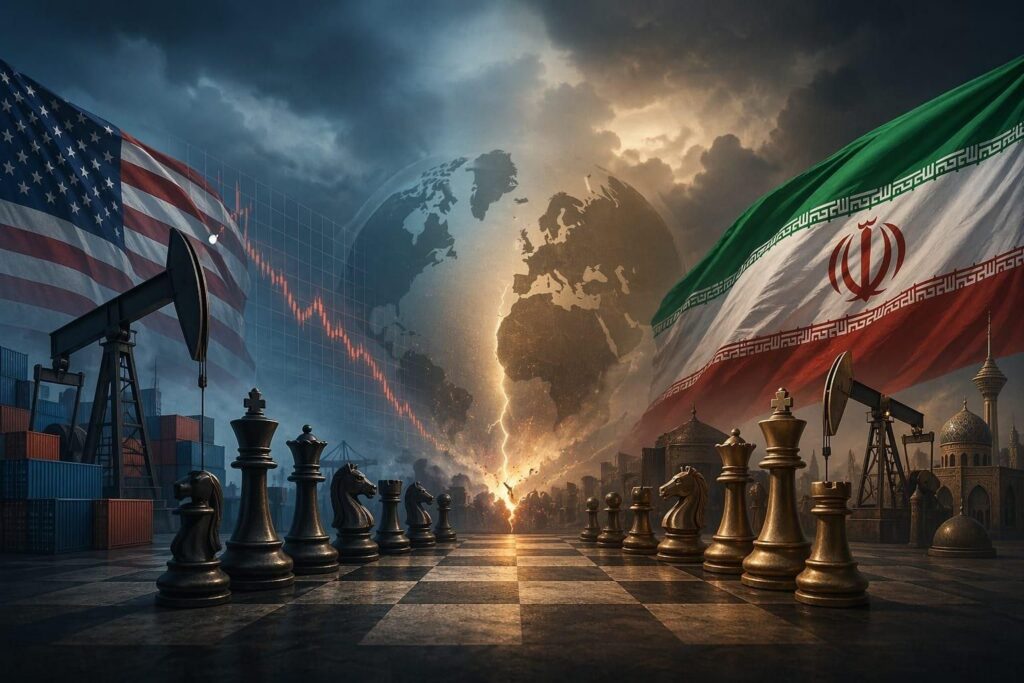
The conflict between the United States and Iran has entered a volatile new phase, shifting from direct, heavy bombardment to a tense, maritime “war of wills” in the Strait of Hormuz. Following a joint U.S.-Israeli campaign that began in late February 2026, the current landscape is defined by an indefinite ceasefire, a U.S. naval blockade, and ongoing economic pressure.
Here is the breakdown of the latest developments as of late April 2026.
1. Ceasefire Extended Amidst “Stalled” Negotiations
President Donald Trump announced an indefinite extension of the ceasefire with Iran, following a request from Pakistani mediators to allow more time for Tehran to present a unified proposal.
Negotiations in Disarray: Talks in Pakistan aimed at finalizing a lasting peace deal have hit roadblocks, with reports of deep divisions within the Iranian leadership.
Trump’s Stance: The U.S. president stated he is under “no pressure” to end the war, asserting that time is running out for #Iran, according to reports from April 23, 2026.
2. The Strait of #Hormuz Standoff and Naval Blockade
Despite the ceasefire, the United States continues to enforce a strict naval blockade of Iranian ports, which began on April 13.
“Shoot and Kill” Order: #Trump has authorized the U.S. Navy to “shoot and kill” any Iranian boats attempting to lay mines in the Strait of Hormuz.
Maritime Incidents: Iran has continued to attack or harass commercial vessels in the Strait, leading to U.S. forces boarding “stateless” vessels suspected of carrying Iranian oil.
Mine sweeping Challenges: The Pentagon has indicated that clearing mines laid by Iran could take up to six months.
3. Economic and Military Impact
The war, labeled “Operation Epic Fury” by the U.S., has had significant global and regional consequences.
Staggering Costs: The war is estimated to be costing the U.S. just under $1 billion a day, with over $28–35 billion spent so far.
Munitions Depletion: The U.S. has burned through critical stockpiles of cruise missiles, including over 1,000 Tomahawks, raising concerns about readiness in other regions like the Pacific.
Energy Prices: Global oil prices remain high as shipping through the strait is disrupted.
4. Iran’s Position and Internal Turmoil
Iran, severely weakened by the initial 12-day bombing campaign that destroyed much of its military infrastructure, has rejected negotiating under the “shadow of threats” or the naval blockade.
Regime Power Struggle: Reports suggest a power struggle within Iran between factions willing to negotiate and those, like the Islamic Revolutionary Guards Corps (IRGC), pushing to continue the conflict.
Nuclear Status: Despite the destruction of key facilities, reports indicate Iran still maintains stockpile of highly enriched uranium.
What to Watch Next
The situation is described by experts as a “game of chicken”. If Iran cannot produce a proposal that meets U.S. demands—including the opening of the Strait and restrictions on their nuclear program—the indefinite ceasefire could break down, leading to a resumption of full-scale military action.
Disclaimer: This blog post is based on news reports and analysis as of April 23, 2026.